May 22, 2014
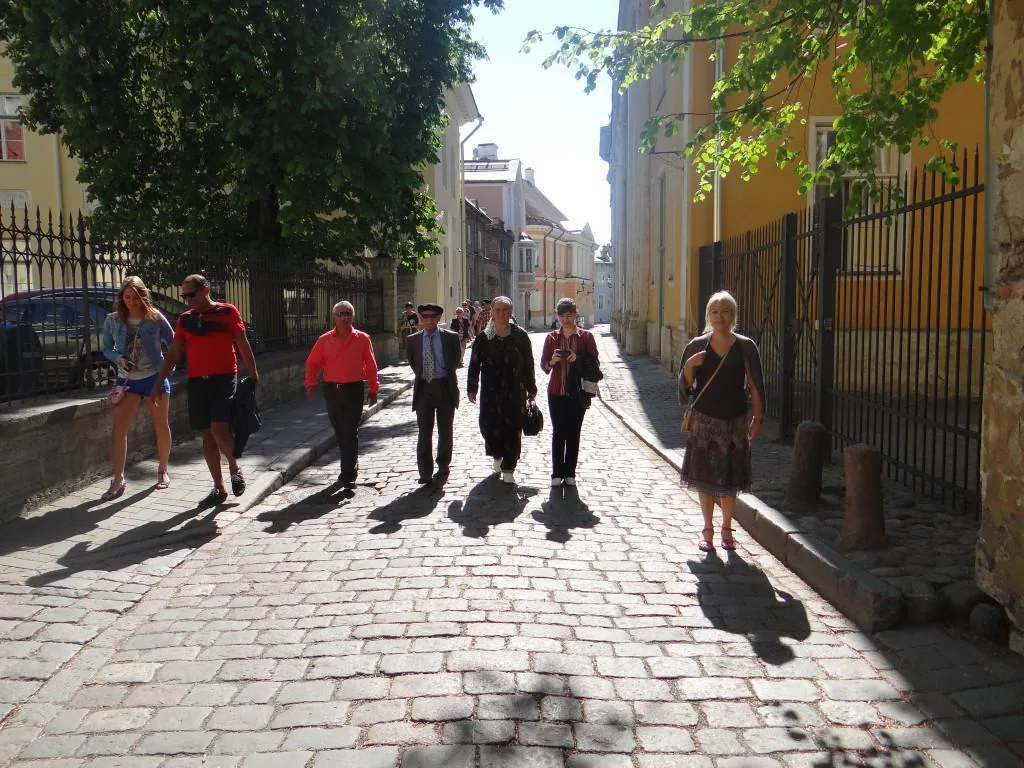
May 22 representatives of GG arrived in Estonia — a place where medieval meets modernity. The trip initiator was Peipsi Center of Transboundary Cooperation, whose aim is to assist organization GG in promoting local (Ishkashimsky) economy and women’s entrepreneurship. Tallinn met the team with very warm, you can even say with hot temperature — close to 30 Cº. We spent three unforgettable days consisting of saturated meetings and meaningful conversations with representatives of local communities and private entrepreneurs. Working program has begun wasting no time, on the way to the place of residence — Dorpat hotel in Tartu.
 1 / 2
1 / 2First meeting
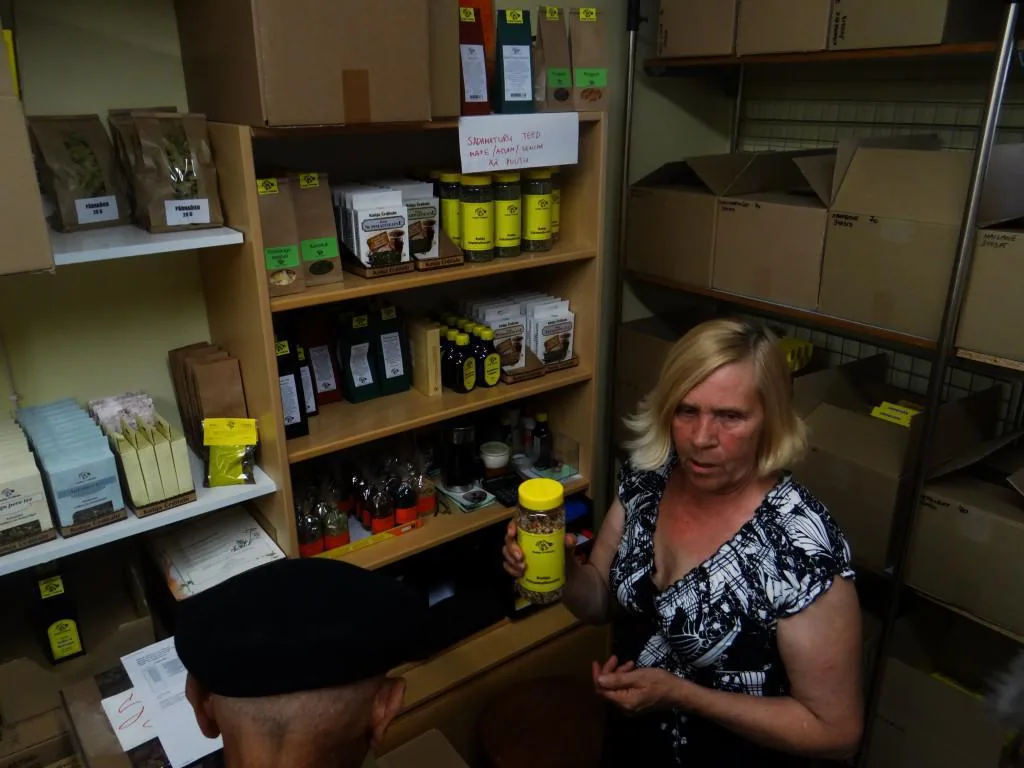
In Kubja herbal farm spouses Sander, who were very open and friendly people, greeted us. They tried to share their experience and told in details about their work and organization. We would like to note that they have put a “phyto-business” in a big way. System of the enterprise includes local residents, volunteers and the family Sanders itself. We would like to mention that the practice of drying ovens have been picked up by GG.
 1 / 4
1 / 4After the work session, guests drank tea, ate sweets and were gifted samples of the products.
After thanking Sander family the team went to chic hotel Dorpat, but which has very stuffy rooms.
Kubja herbal farm
Dorpat hotel
May 23
- First on the agenda was a meeting in the Peipsi office of a non-profit organization Center for Transboundary Cooperation. Team GG with project manager Ms. Margit Sare worked on the project, specifying its details and further development.
Center for Transboundary Cooperation
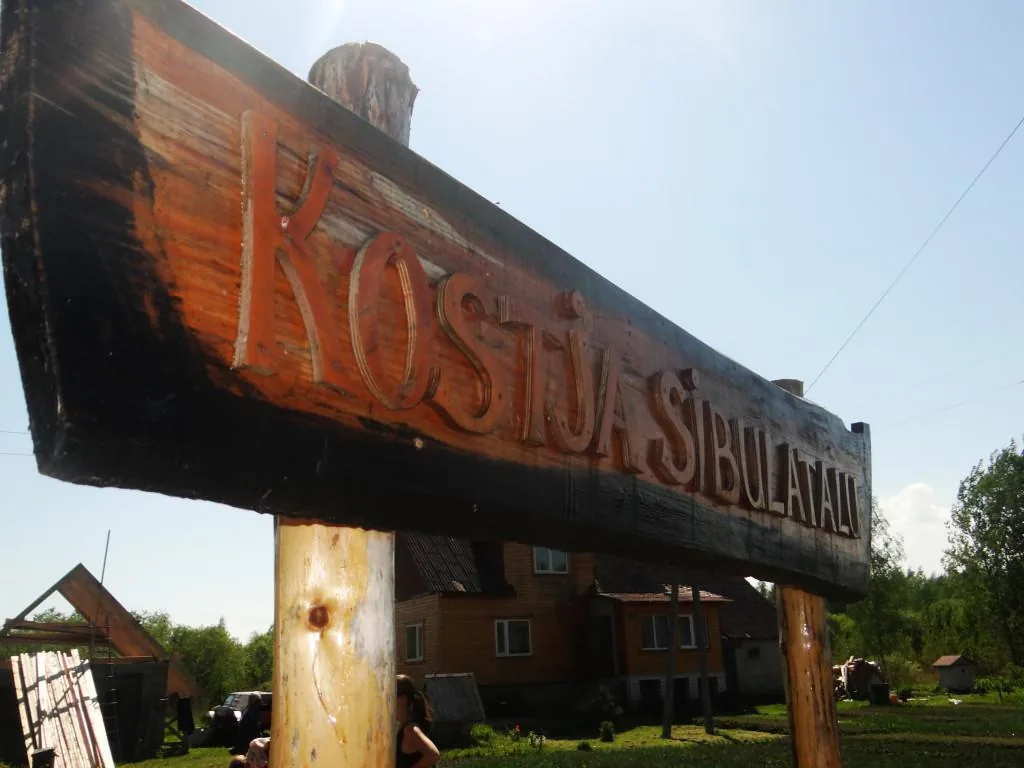
- Next upcoming meeting was with Constantine, a farmer who grows onions. He met us in the best traditions of hospitality — a samovar, potatoes, pies. He is a man with inexhaustible optimism. Immediately began to tell about the features and methods of onions cultivation. “I understand that usually private lands are small. Therefore, the solution for these small areas is to grow onions.” Constantine already retired and grow onions as a hobby for fun. However, as an engineer he has a scientific approach for everything.
 1 / 3
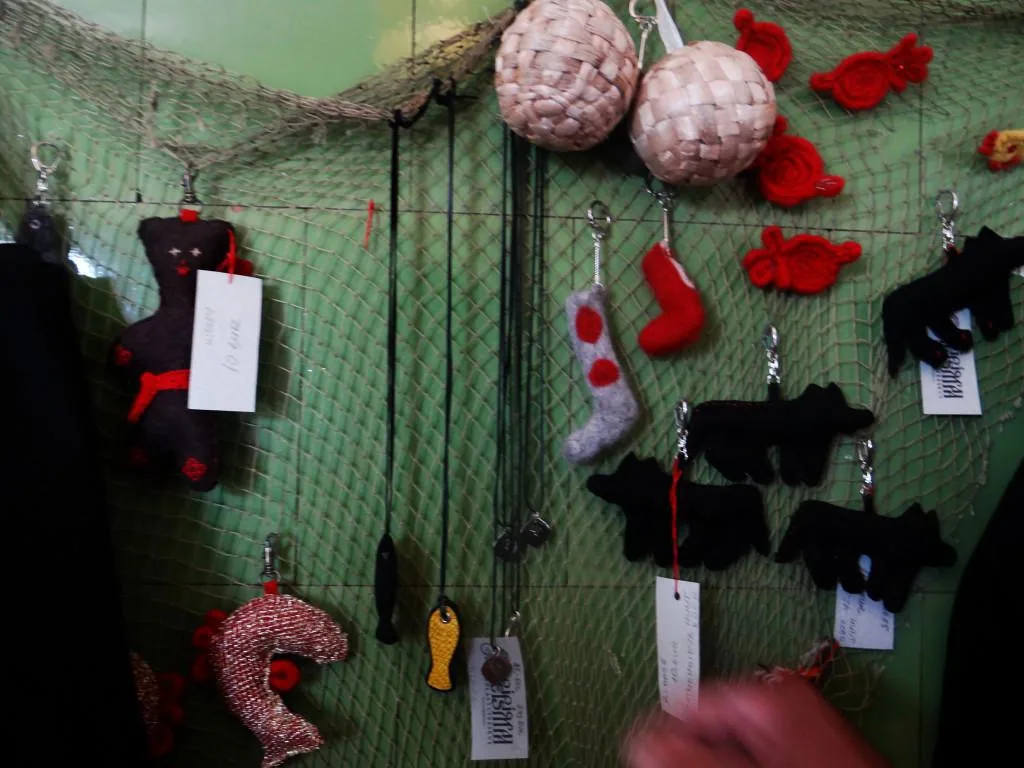
1 / 3- Then, the GG team visited Guest Information Center in Kolka. The center sees its goal in preservation of local culture and art. In addition, center provides a variety of services for tourists — weaving rope, molding candles, decorating household items with national patterns and etc.
 1 / 4
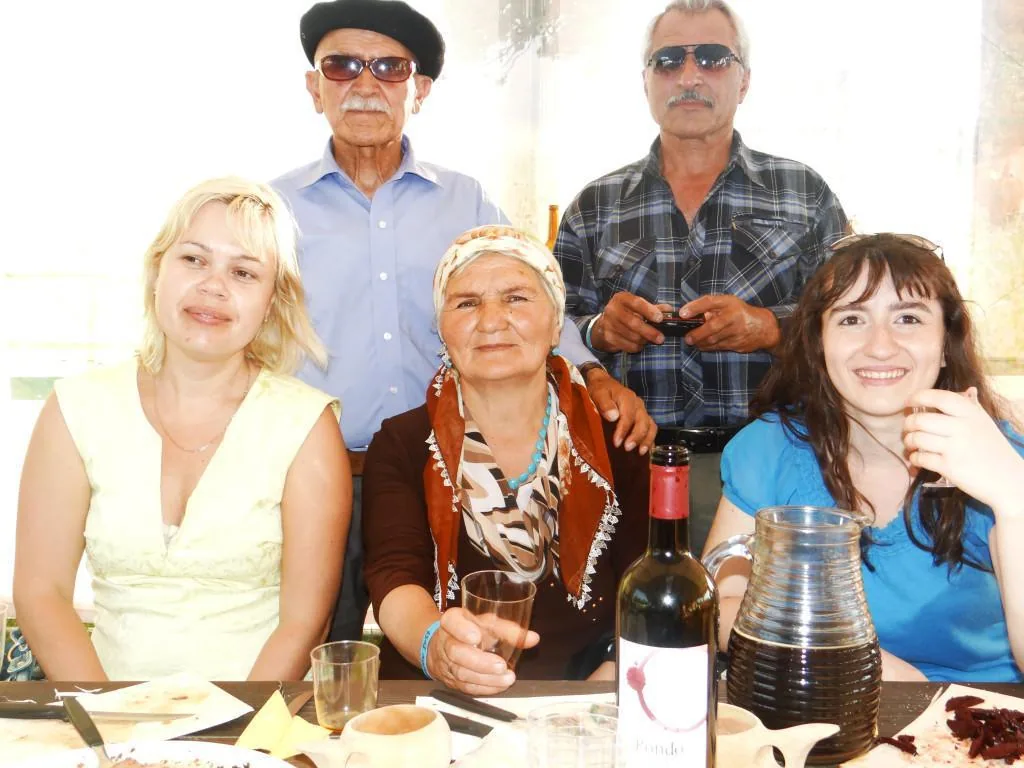
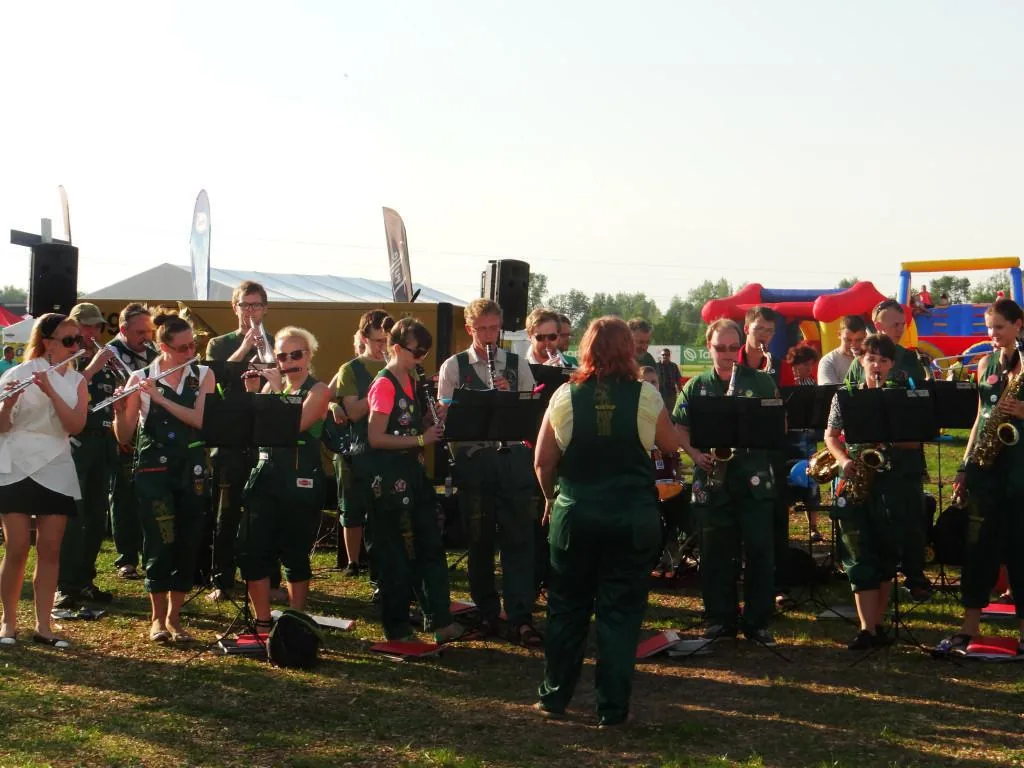
1 / 4- In the evening, we all together went to a food fest in Emajoe. Songs and dances, natural products and specific dishes, balloons and bungee — all this created a sense of joy and celebration of the present. At the fest, we ate delicious foods, and then we waited for next impressions.
May 24
- Next day began with a fleeting greeting with the parents of Ms. Margit Sare. Friendly people, they treated us with mulberry and plum. Strange, but dandelion is considered a weed here and “killed” by all available and unavailable methods.
 1 / 4
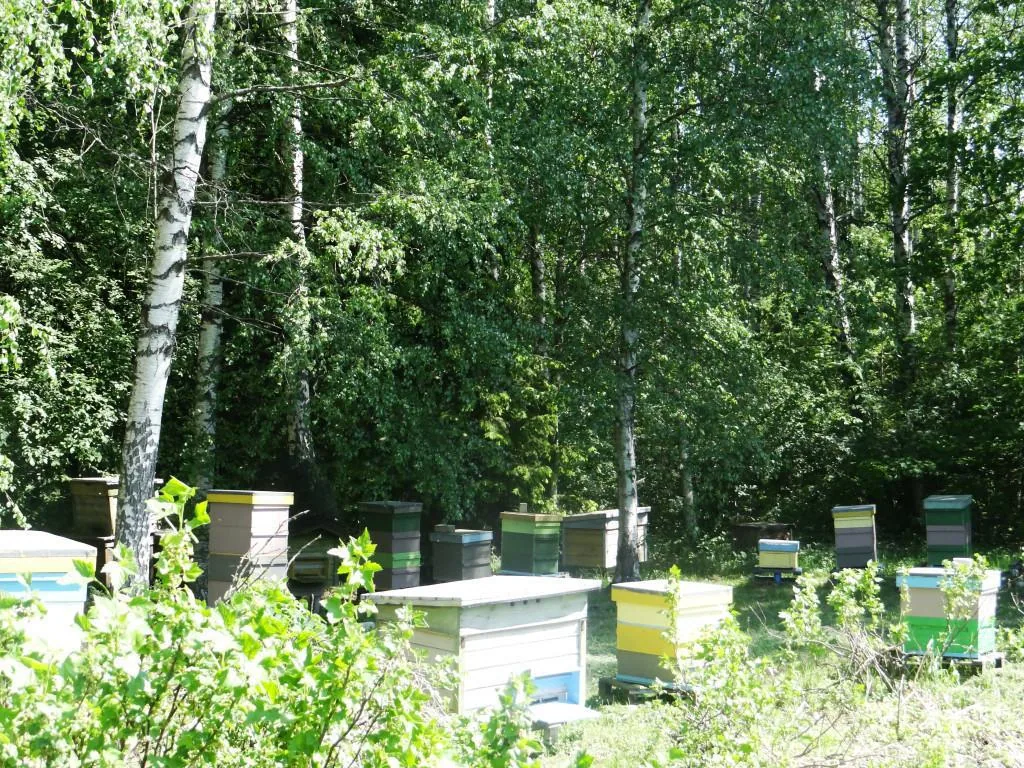
1 / 4- Next, we had to visit the apiary in Otepaa. However, the owner — beekeeper was not at home, he was on some kind of seminar, but his wife told us in detail the difficulties that they faced during development of their small business. Beekeeper’s wife was wearing an interesting outfit of bee.
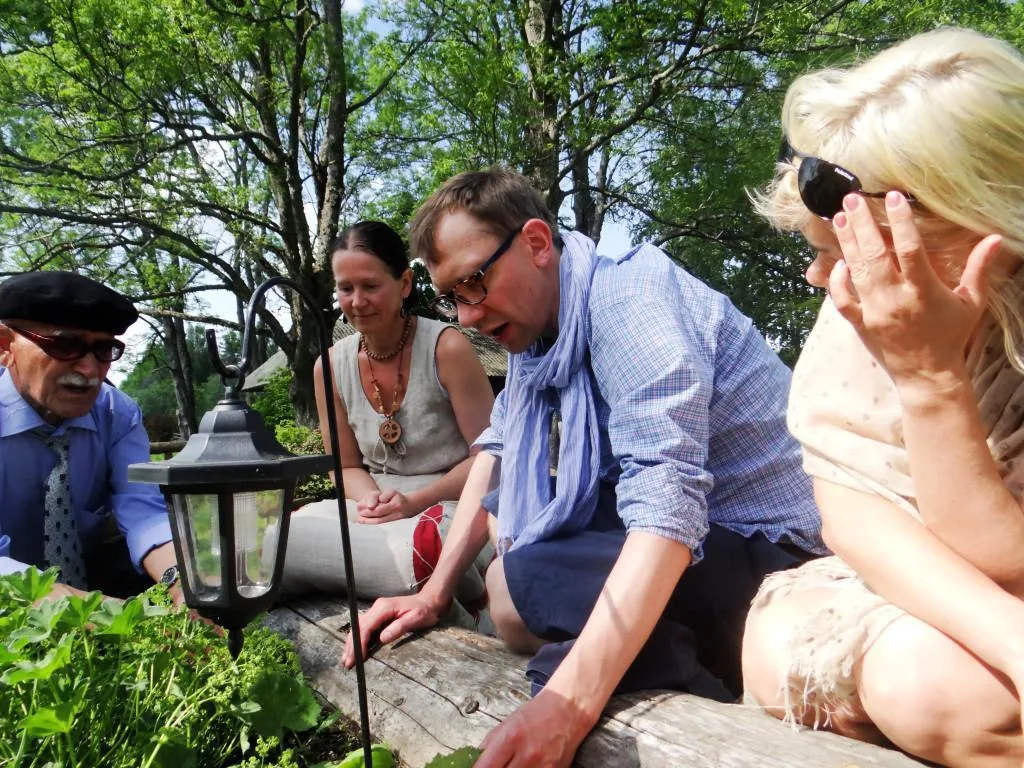
- The last place that day was Metsamoori herbal farm. From Estonian “Metsamoori” word translated as: “A woman, who lives in the forest, collects herbs and helps people.” If you try to find an analogue in the Russian language, maybe it is “good Baba Yaga.” Ms. Irja — our Metsamoori, used to live in the city and enjoy all the benefits of civilization, until one day she with her family moved to live in the village. Then, she began to look for the type of activity, which could realize herself. Step by step, with local citizens she started to organize the summer camp programs for children, mothers, and for the whole family. Ms. Irja is ethnographer, but retrained in expert of plants.
 1 / 3
1 / 3May 25
-
Next day we re-visited Metsamoori. Ms. Irja shared her 15 years of experience: she showed different practices of bioenergy and traditional medicine. For example, we were meditating, listening to ancient Estonian tunes, made a salad of herbs that grow right under the feet, “discovered” energy points to each other through massage, “heal” our diseases with infusions of herbs and etc.
-
Then, we met with the representatives of Village Development Foundation in Sangaste. This fund helps entrepreneurs from the villages to find their customer’s niche and helps customers learn where and from whom in the villages buy a product. The meeting was held in a beautiful castle, graphs von Berg.
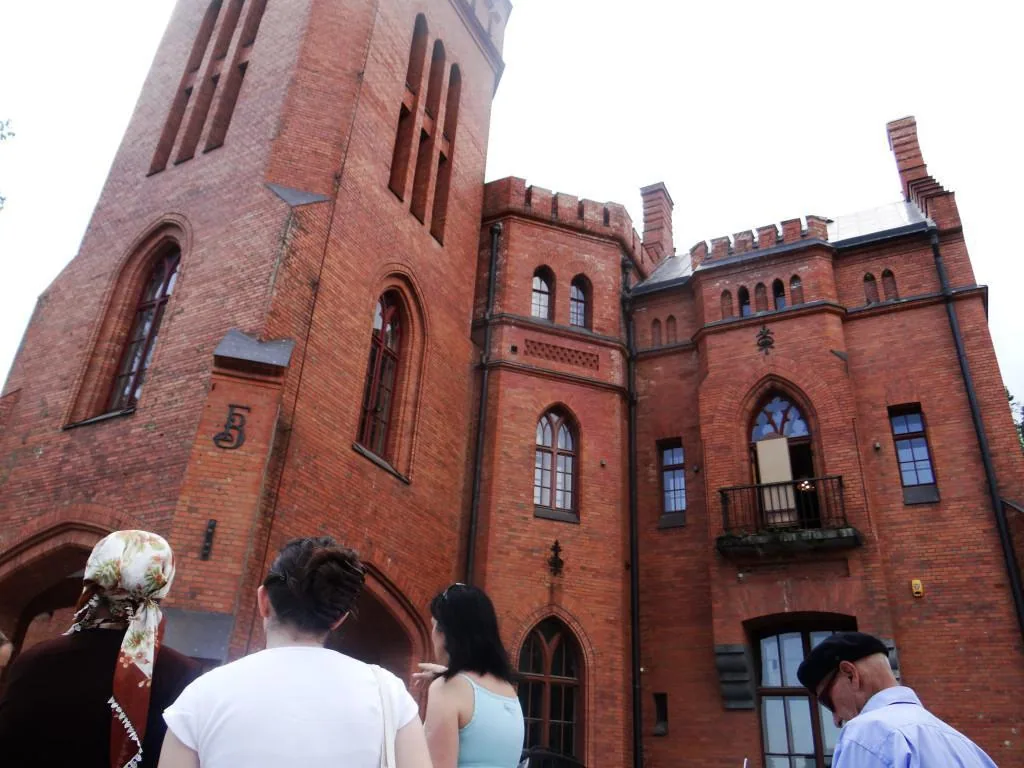
After the castle, in the evening we went to the hotel. So, our working program ended in a good note. And the next day we had to leave this beautiful country — Estonia.