
Names
Tajik: Зардришқа (асалрика, говришқа, зарбеда, говдамкунак, алафи дам, зояк, мурч, зарришка, хархур, харбеда, чумрушқа, хирспут, хириспа, шобаса, шоҳафсар)
Latin: Melilotus officinalis Desr.
Russian: Донник лекарственный (донник аптечный, донник жёлтый, «Царский венец», жёлтый буркун, воргун, мольная трава, хрестовник)
Arabic: Амалик
Ishkashimi: Зордғрик
Wakhi: Сылв
Shughni-Rushani: Ширғорҷак, шурғанҷ, шорғарҷ
Yazgulami: Цавехъ
English: Plaster clover
Description
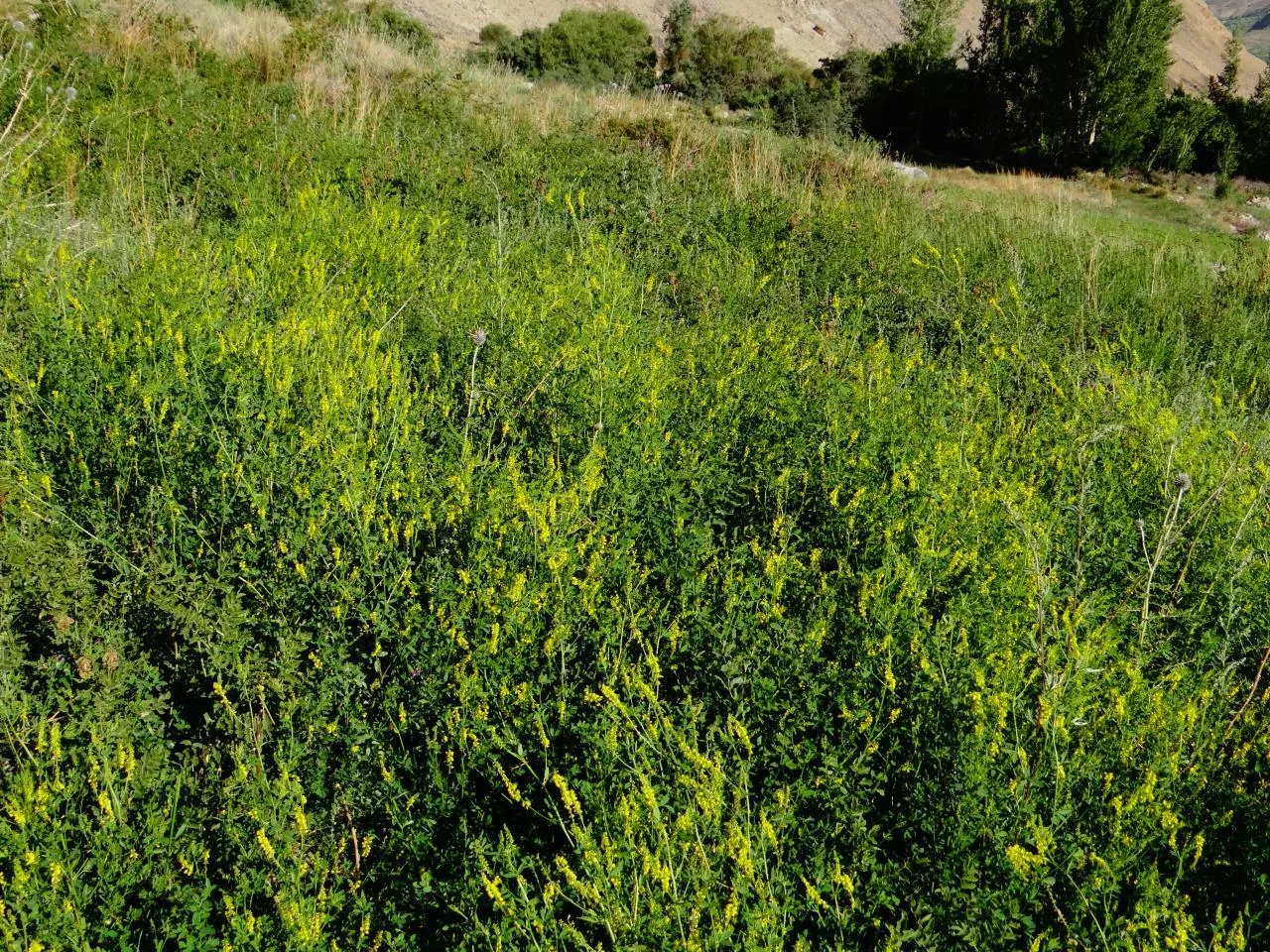
Plaster clover is a perennial herbaceous plant belonging to the legume family (Leguminosae).
The plant has a thick root reaching approximately 3–4 cm in diameter, with numerous smaller roots spreading from it.
Its flowers are yellow. In the original material, their length is given as 0.3–0.4 mm.
The fruit is rounded and egg-shaped, with a greenish-yellow colour.
In Badakhshan, plaster clover grows in all districts except Murghab, at elevations of approximately 1,700–3,500 metres above sea level.
It occurs on cultivated land, rocky areas, in gardens, and in other open places.
The plant flowers in June–July, while its seeds ripen between June and August.
Parts used
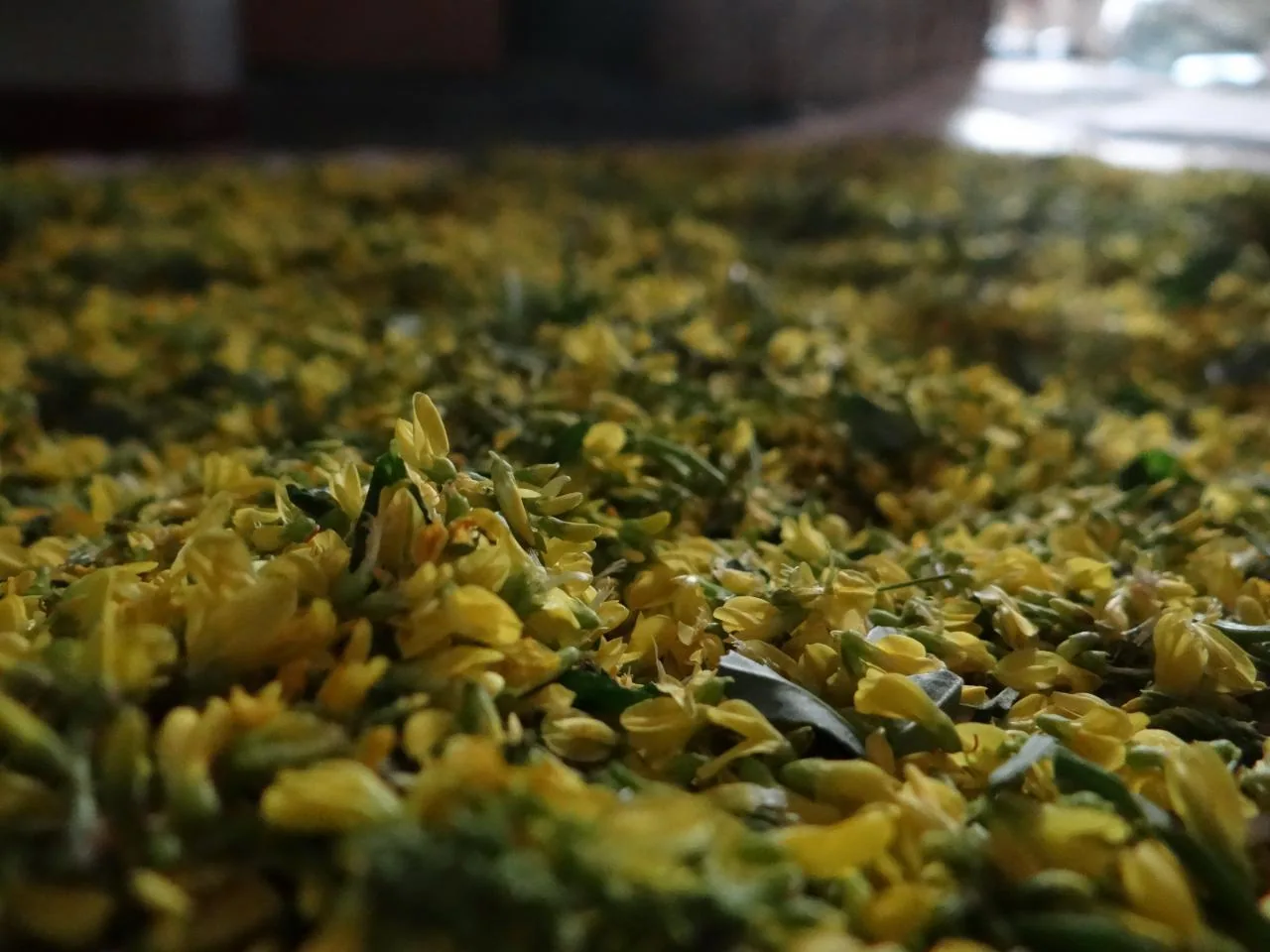
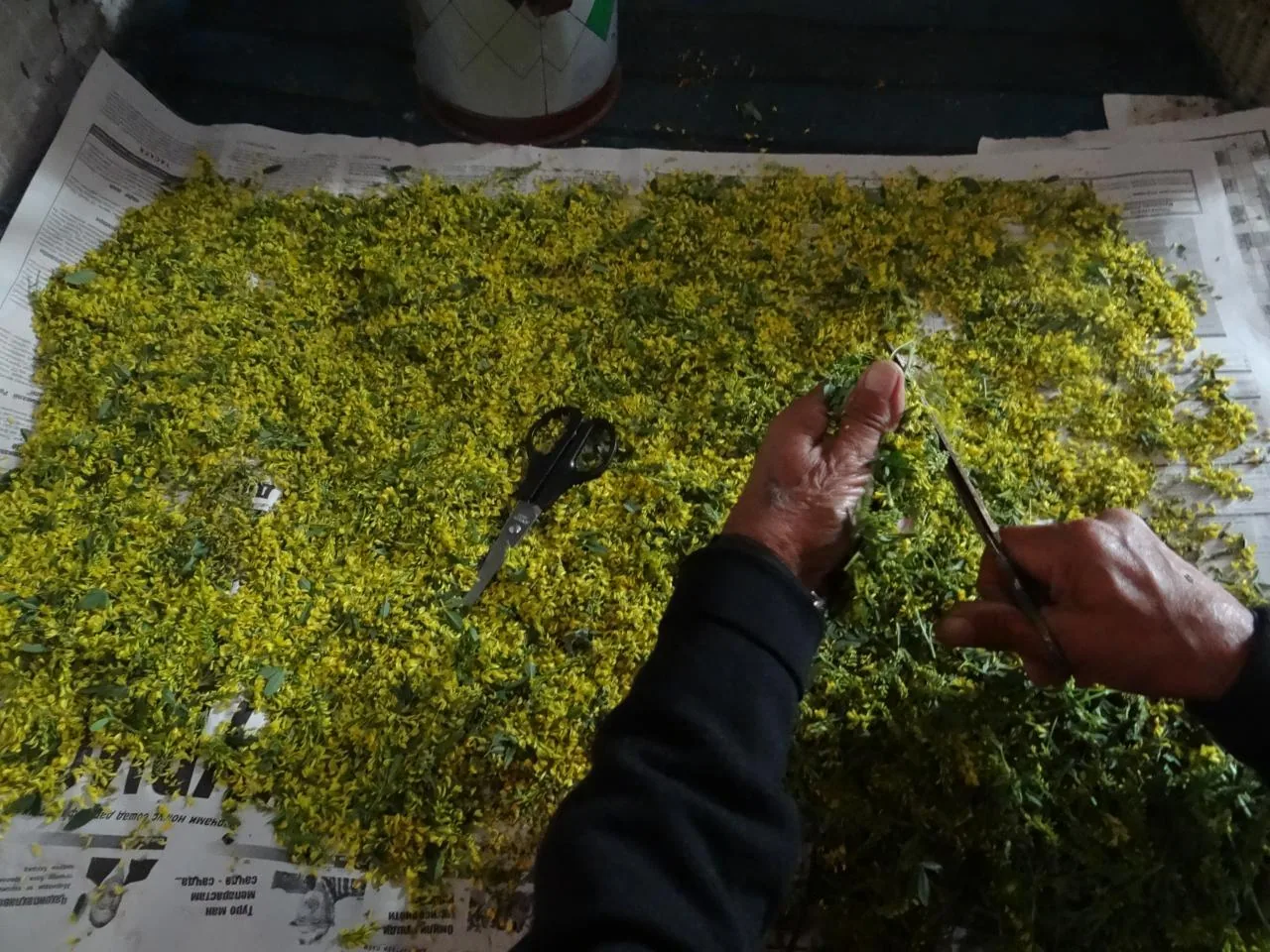
For medicinal purposes, the flowers, leaves, and stems of the plant are used.
Medicinal raw material is collected during the flowering period.
The collected plant material is dried on roofs, in attics, or in other shaded and well-ventilated places, spread on cloth in a layer approximately 2–3 cm thick.
The dried material is stored in paper or wooden boxes in a dry place and may be kept for approximately 1–2 years.
Plaster clover is also described as a honey-producing and vitamin-rich plant.
The original material states that approximately 130–270 kg of honey may be obtained from one hectare of cultivated plaster clover.
Chemical composition
The original material gives the following composition for the leaves of plaster clover:
- vitamin C — 190–390 mg%;
- vitamin E — up to 50 mg%;
- carotene — up to 9 mg%;
- coumarin — 0.5%;
- melilotic acid;
- melilotol.
The flowers are described as containing coumarin, vitamin C, mucilaginous substances, choline, resinous substances, and tannin.
The herbaceous part of the plant is reported to contain coumarin, coumaric acid, melilotin, melilotic acid, melilotoside glycoside, purine compounds, fat-like substances, and essential oils.
The seeds are described as containing proteins, fatty oil, starch, saponins, and the alkaloid trigonelline.
The original material cites works by Navruzshoev and others (1998), N. G. Kovalyova (1971), A. Mamadrizokhonov (1998), and Khodzhimatov (1989).
Medicinal properties
The original material attributes anti-inflammatory, antispasmodic, pain-relieving, blood-pressure-lowering, carminative, emollient, expectorant, calming, and other properties to plaster clover.
The source also mentions its use as a remedy associated with inflammatory processes and wound healing.
Use in medicine
The original material describes plaster clover as a plant widely used in both modern and traditional medicine.
Its use is mentioned in connection with diseases of the heart and blood vessels, arterial hypertension, certain circulatory disorders, thrombophlebitis, and increased blood clotting.
The source also mentions preparations made from plaster clover in connection with inflammatory conditions of the respiratory tract and lungs, insomnia, migraine, certain menstrual disorders, rheumatism, tuberculosis, neurasthenia, and some conditions associated with the climacteric period.
The original material states that plaster clover may influence blood circulation, reduce swelling, and help prevent the formation of blood clots in blood vessels.
For external use, infusions and decoctions are mentioned in the form of lotions, dressings, and other applications for certain skin injuries, boils, fistulas, fissures, and joint pain.
The original material also refers to Avicenna and his work The Canon of Medicine in connection with the use of plaster clover.
In the traditional medicine of Badakhshan, an infusion of the plant has been used for some cold-related respiratory conditions, migraine, headache, and cough.
The source also mentions its use for insomnia, elevated blood pressure, and externally for various skin injuries.
Fresh plaster clover herb has also been used as a food ingredient added to soups and salads.
Precautions and restrictions
The original material specifically notes that consultation with a physician or a specialist in medicinal plants is necessary before using plaster clover.
It also states that preparations made from the plant should not be used in cases of acute kidney disease, pregnancy, and hemorrhagic diathesis.
Medicinal forms, preparation, and dosage
The original material provides a method for preparing an infusion of plaster clover.
Plaster clover infusion
10 g, or approximately two teaspoons, of medicinal plant material are placed in an enamelled or ceramic container and covered with 200 ml of boiling water.
The container is covered with a lid and heated in a water bath for approximately 15 minutes.
The infusion is then cooled at room temperature for about 45 minutes and strained through 2–3 layers of gauze.
The original material states that approximately 1/2–1/3 of a glass is taken 2–3 times a day as an expectorant and anti-inflammatory remedy.
Important note
The information on this page is based on the provided material concerning the traditional and medicinal use of plaster clover and is presented for educational and informational purposes.
It is not individual medical advice and should not be used as instructions for self-treatment.